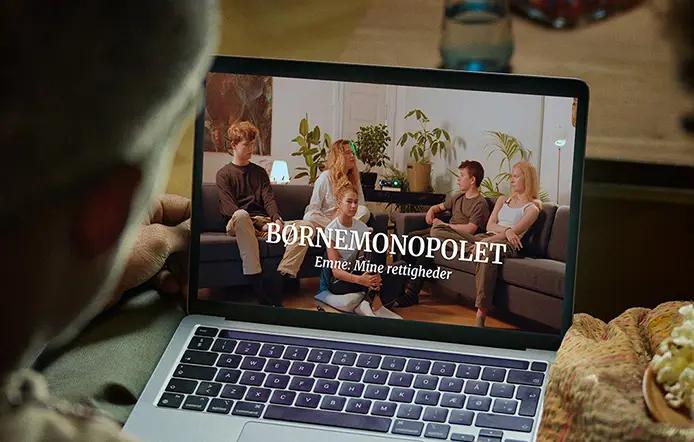
SES NXT gives children and young people the freedom to choose which themes they want to explore. Analysis of children’s own choices provides valuable insight into what weighs on them most – and what they want to understand better.
The data below is drawn from usage of SES NXT in Sweden and reflects the themes children return to most often. This summary is intended for management and decision-makers in municipalities and social services.
Children’s top 10 most chosen themes
- My parents are fighting (Mina föräldrar är ovänner)
- Learn to speak up and set limits (Lär dig säga till och ifrån)
- My rights (Mina rättigheter)
- Understand your feelings (Förstå dina känslor)
- Find an important adult (Hitta en viktig vuxen)
- Living in two homes (Att bo i två hem)
- Tell your story (Berätta din historia)
- The blended family (Bonusfamiljen)
- Pack the bag (Packa väskan)
- When it just happened (När det nyss har hänt)
What the data tells us
The most striking finding is that “My parents are fighting” is by far the most chosen theme. This aligns with research showing that parental conflict – not the separation itself – is the primary driver of negative outcomes for children. Children are seeking tools to understand and cope with the conflict they witness.
The second most popular theme, “Learn to speak up and set limits,” reflects children’s need for practical strategies: not just understanding, but agency. They want to know what they can do.
”My rights” as the third most chosen theme is a significant finding in the context of Sweden, where the UN Convention on the Rights of the Child is now law. Children are actively seeking information about what they are entitled to – and SES NXT provides it in language accessible to children from age 3 onwards.
Implications for professionals
This data is a reminder that children’s needs do not always align with adult assumptions. Professionals working with children in separated families can use this list as a guide to what children most want support with – and as evidence for why digital, child-led tools are a valuable complement to adult-led counselling.