
News
News from SES Family.
Research, cases and news about digital help for divorced families — developed at the University of Copenhagen and tested in randomised controlled trials.

News
-
News·
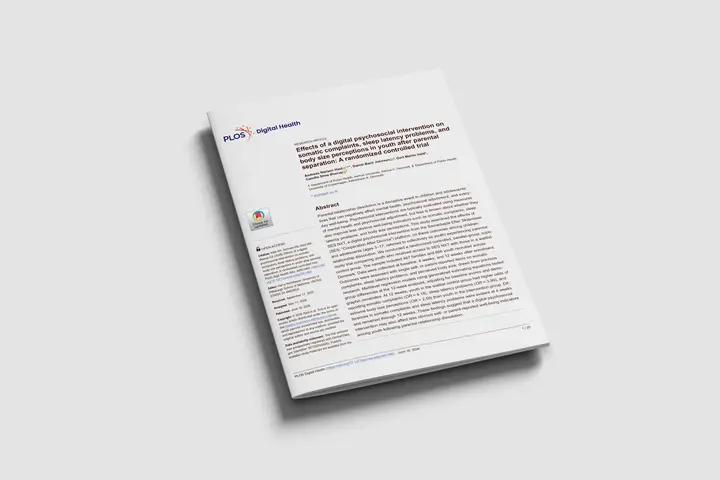
New SES NXT article in PLOS Digital Health: digital support also helps the physical signs of distress
A new SES NXT study in PLOS Digital Health shows the programme improves not only children's mental well-being but also the more physical, everyday indicators of distress after divorce — fewer somatic complaints, fewer sleep problems, and fewer extreme body-size perceptions.
-
News·
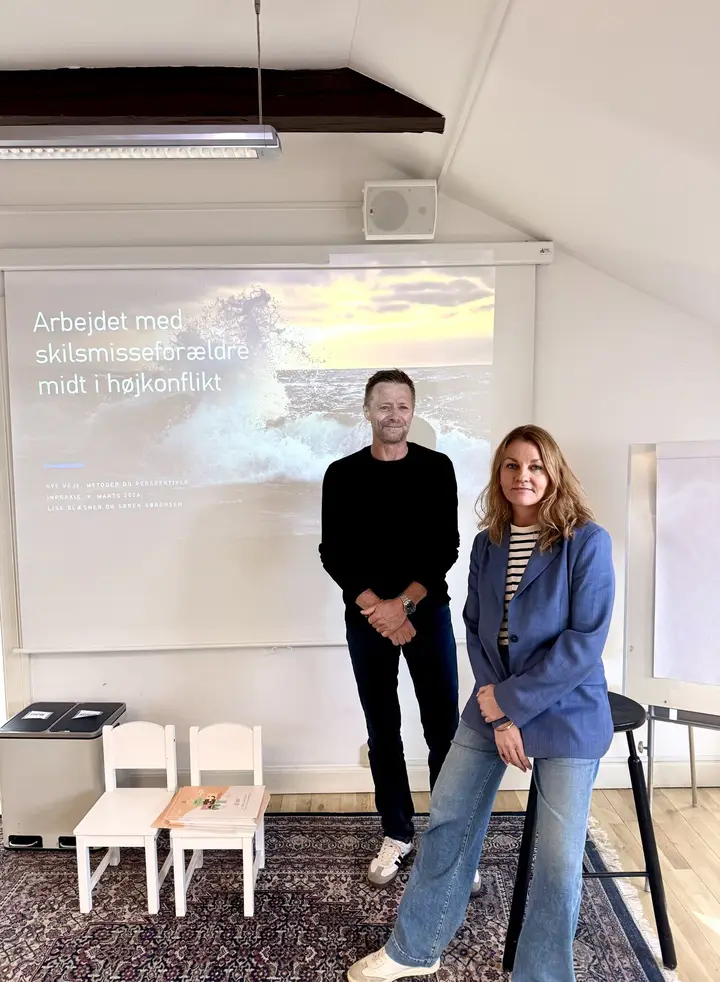
Podcast: SES Family Samtaler — pilot episode with family therapist Lise
The first episode of a new podcast series, visiting Danish municipal workplaces and talking with professionals who work with separated and blended families. The podcast is in Danish.
-
News·
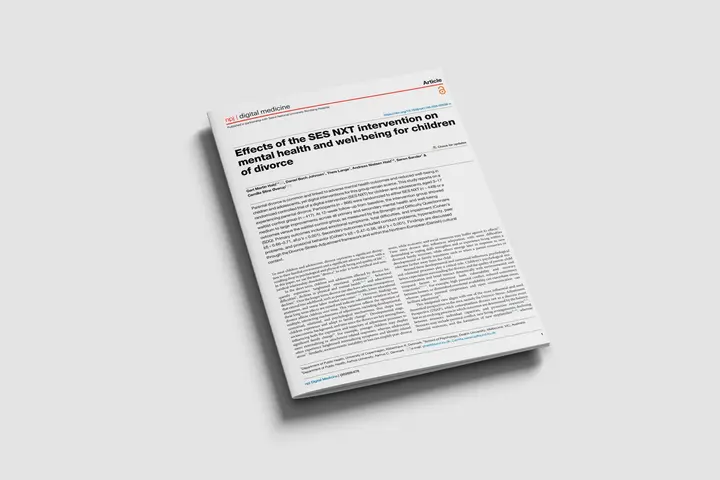
Our SES NXT study is out in npj Digital Medicine — and performing exceptionally
Our SES NXT study is now published in final form in the Nature-portfolio journal npj Digital Medicine, and is freely accessible. By attention, the article sits in the 95th percentile of all comparable articles.
-
Press·
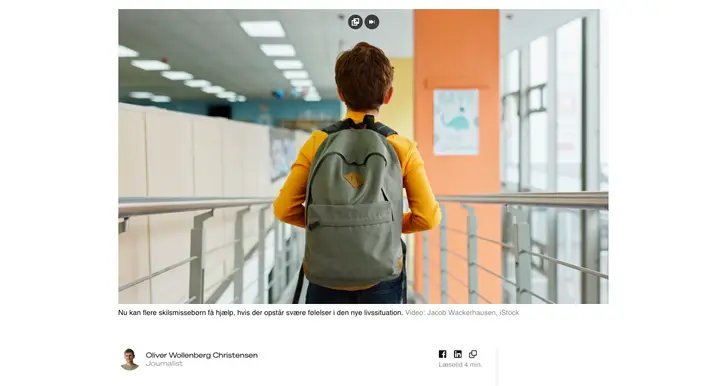
Important knowledge becomes a tool for children of divorce
Verdens Bedste Nyheder reports on SES NXT — the digital self-help platform for children aged 3-17 from divorced families, where nearly half of the children went from struggling to thriving.
-

Press·
University of Copenhagen innovation helps children in divorce families
The University of Copenhagen's newspaper covers SES NXT — the digital tool developed by professor Gert Martin Hald — and the new study of 866 children where nearly half went from distress to normal wellbeing.
-

Press·
Gert Martin Hald on the most important thing to change in a divorce
In an interview with woman.dk, SES co-founder and professor Gert Martin Hald points to the level of conflict as the most important thing to change for people going through a divorce.
-

Press·
Digital platform significantly reduces distress among children of divorce
A new study from the University of Copenhagen with 866 children shows that SES NXT cuts wellbeing problems in half for children of divorced parents. Nearly half of users moved from poor to normal wellbeing in 12 weeks — compared to around 10 % in the control group.
-
Research·
Effects of the SES NXT Intervention on Mental Health and Well-Being for Children of Divorce
One of the largest RCTs ever in this field (866 children, ages 3–17): SES NXT produced large improvements across all seven outcomes. The impact of difficulties on daily life fell 81% (vs 16% in controls) — from about 60 minutes of total engagement.
-
News·
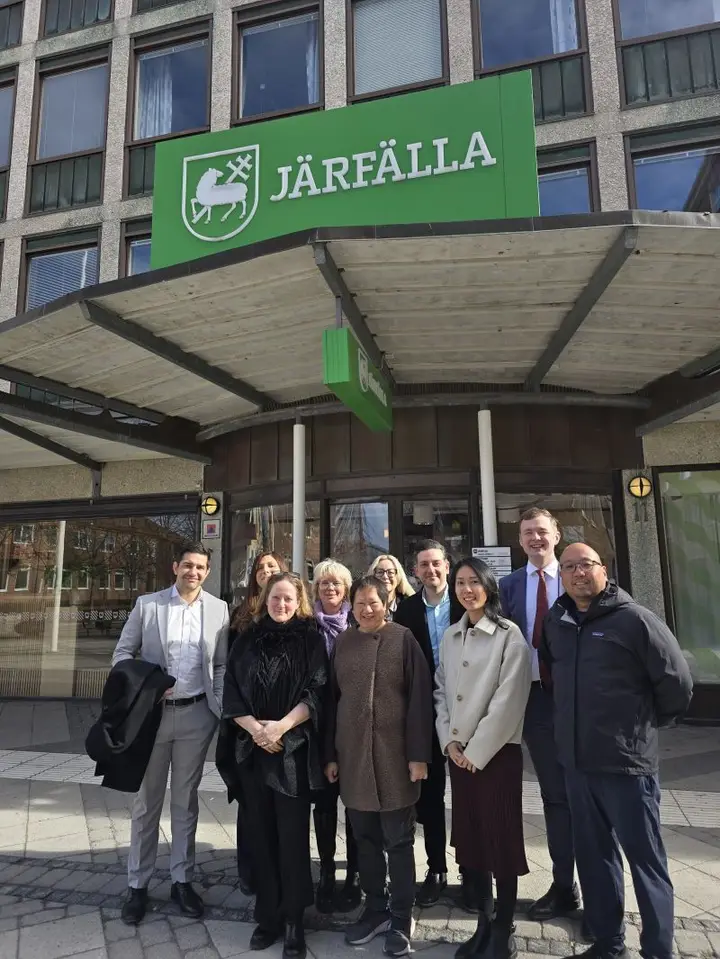
Singapore's Ministry of Social and Family Development visits Järfälla to study SES Family
A delegation from Singapore's Ministry of Social and Family Development visited Järfälla Municipality in Sweden to explore how coordinated family support works in practice. SES Family was among the initiatives presented.
-

Cases·
SES for the whole family: Järfälla Municipality's full-family approach
When Järfälla began implementing SES in spring 2022, parenting support coordinator Grace Larson soon noticed something: parents were asking for a similar tool for their children. That insight became a programme.
-
Research·
Reducing Postdivorce Conflict Through a Child-Oriented Digital Intervention: A Randomized Controlled Trial of SES NXT
A novel test of family-systems theory: can a programme for children reduce conflict across the whole family? After 12 weeks, both youth and parents in SES NXT reported significantly less postdivorce conflict, with medium-to-large effect sizes.
-

News·
SES Family Annual Report 2025: Digital family interventions are no longer an experiment
SES Family's newly published annual report documents clear growth: the platform is now implemented in more than 175 Nordic municipalities. The organisation is no longer chosen because it is a pioneer – but because it works.
-
Research·
Digital Health Intervention and Long-Term Social Outcomes After Divorce: Evidence from a Randomized Controlled Trial Follow-Up in Denmark
A five-year register-based follow-up of social and economic outcomes: SES ONE participants accumulated 5.21% more labour-market income, and those who took long-term sick leave had 22% fewer sick-leave weeks than controls.
-
Research·
Divorce Conflict and Health Across the Divorce Process: A Ten-Year Observational Study of Medicine Prescriptions, Primary Care Visits, and Hospitalizations
Ten years of national register data show high-conflict divorce is measurably harmful to health — and the damage begins before the legal decree. A one-SD rise in conflict meant 28% more prescriptions and 13% higher odds of hospitalisation.
-

News·
Divorce Conference 2026 in Copenhagen — call for papers is open
The European research conference on divorce and family transitions takes place 22-23 October 2026 at the University of Copenhagen. Attendance is free, and papers can be submitted until 1 June 2026.
-
Research·
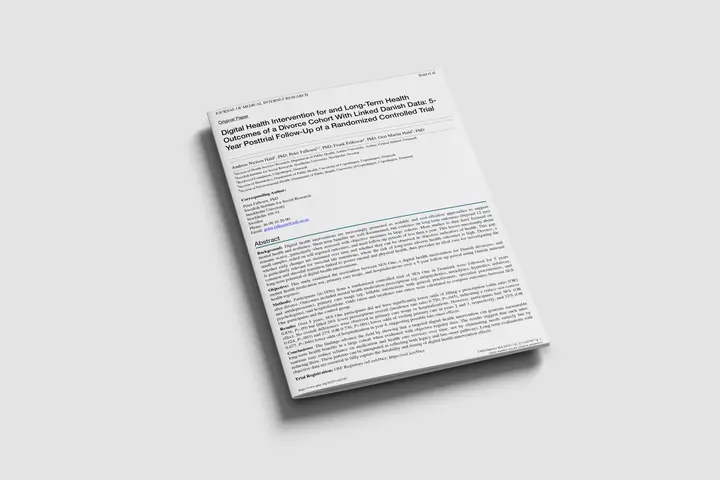
Digital Health Intervention and Long-Term Health Outcomes of a Divorce Cohort: 5-Year Post-Trial Follow-Up of a Randomized Controlled Trial
Using Denmark's national health registers to follow the original RCT cohort for five years: SES ONE participants filled 28% fewer mental-health prescriptions — and 41% fewer sedative/anti-anxiety prescriptions — than controls.
-
Cases·
Top-3 award: how Ærø, Faaborg-Midtfyn and Kalundborg lead Denmark in family support
Three Danish municipalities have received prizes from SES Family for being the best at supporting separated and blended families with digital interventions. Their savings are between 10 and 17 times the licence costs.
-
News·
SES Conference Sweden 2025: Research and practice meet to tackle high-conflict cases
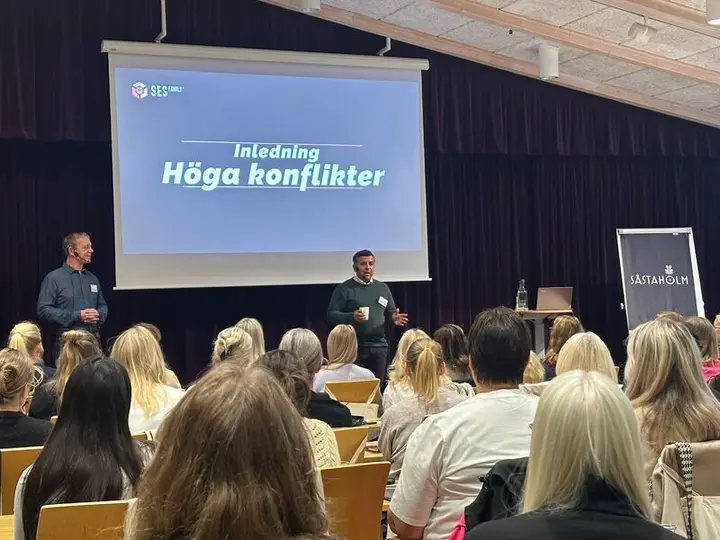
More than half of the 55 Swedish municipalities using SES Family gathered at Såstaholm for a conference on preventing and handling high-conflict divorce cases. Researchers and practitioners shared knowledge and tools to strengthen both families and professionals.
-
News·
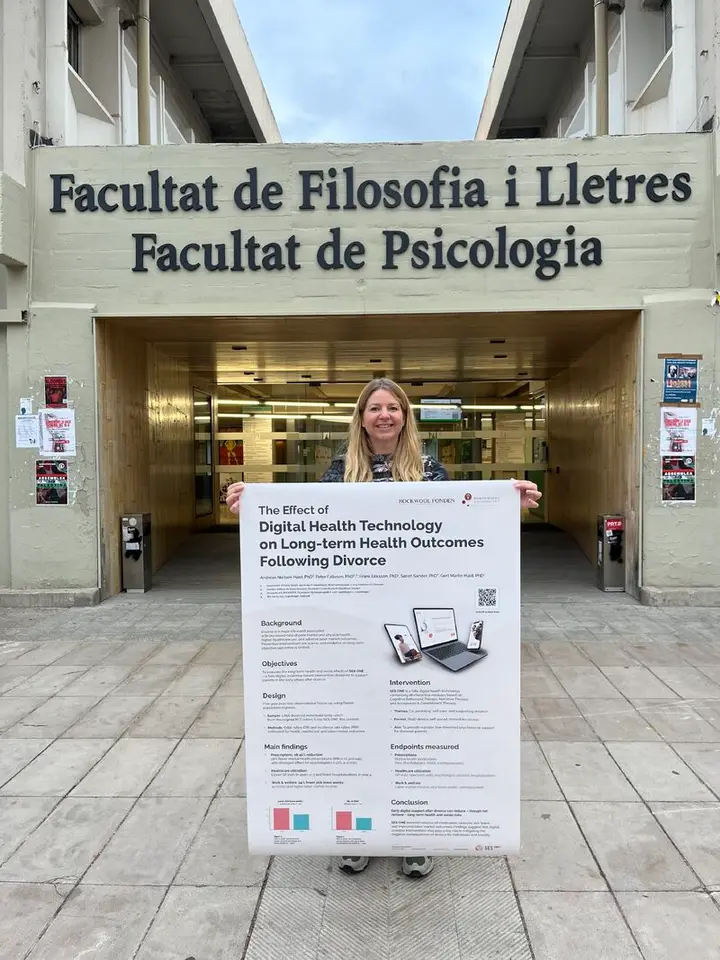
Five-year research results: SES ONE leads to lasting reductions in medication use and sick leave
New long-term research presented at the International Divorce Conference in Barcelona shows that parents who used SES ONE had 50 percent fewer mental health medications, fewer GP visits, and higher labour market participation five years after completing the programme.
-
News·
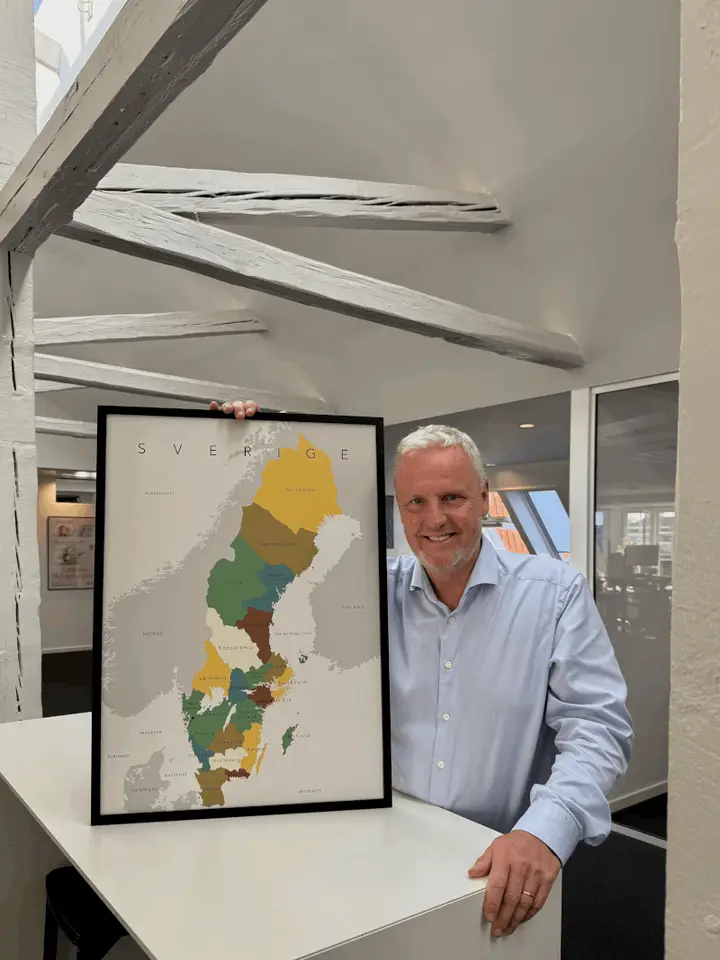
SES Family appoints Per Fredström to drive growth in Sweden and internationally
Per Fredström joins SES Family to help municipalities connect the platform to their strategy and make potential and results visible to leadership. He brings extensive experience from health and technology in the public sector.
-
News·
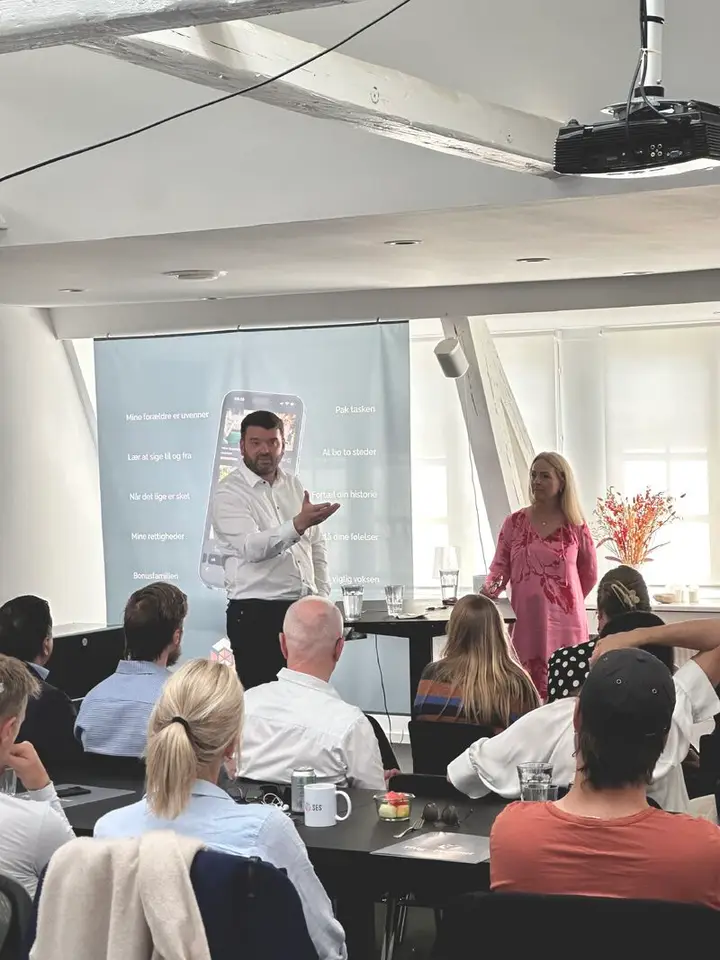
Iceland's national SES Family rollout: Former minister compares it to investing in an airport
Forty professionals gathered at a SES Family event in Iceland, where former Minister of Education Ásmundur Einar Daðason and Gyða Hjartardóttir from the National Agency for Children and Families described Iceland's national rollout as a transformative investment in prevention.
-
News·
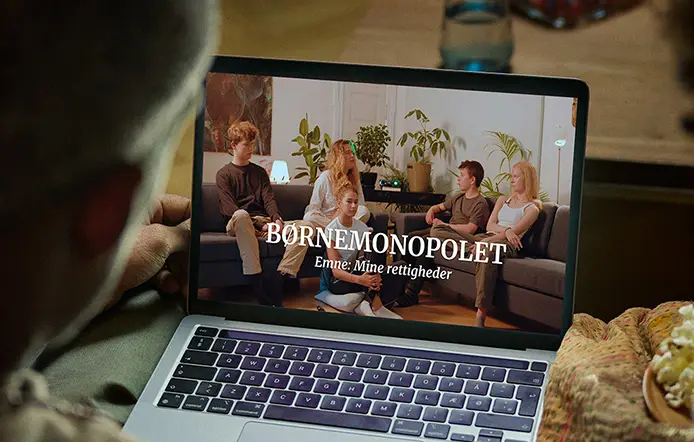
What children choose: the 10 topics that matter most to them in SES NXT
Data from SES NXT reveals which themes children return to most often. The top choice – 'My parents are fighting' – reflects the single greatest source of distress for children navigating their parents' separation.
-
News·
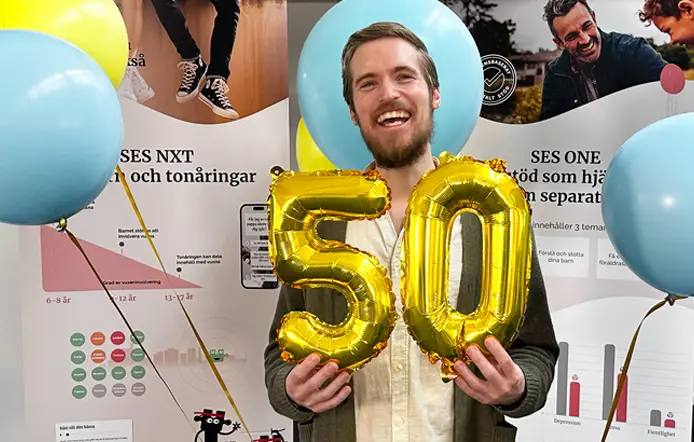
50 Swedish municipalities now offering digital support to separated families
Sweden's SES network reached a new milestone in early 2025: 50 municipalities now hold a SES licence, giving residents across the country free access to evidence-based digital support after separation.
-
Research·
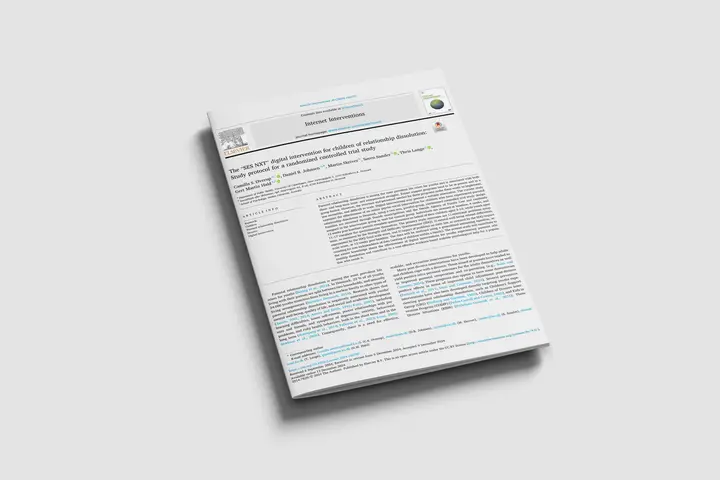
The SES NXT Digital Intervention for Children of Relationship Dissolution: Study Protocol for a Randomized Controlled Trial
The pre-registered protocol for the SES NXT trial — a fully digital, age-adaptive intervention for children aged 3–17 experiencing parental separation, covering emotions, two-home logistics, agency and family change across four developmental stages.
-

Press·
SES Family expands to Iceland with national government partnership
Iceland is the first country in the world to make SES tools available to all its residents nationally. Iceland's then Minister of Social Affairs and Labour Ásmundur Einar Daðason tells how it was done.
-

News·
Largest-ever study of SES NXT underway: nearly 1,000 children, 21 municipalities
Researchers at the University of Copenhagen are now analysing data from nearly 1,000 children and adolescents who participated in the SES NXT study – one of the largest research projects of its kind internationally.
-
News·
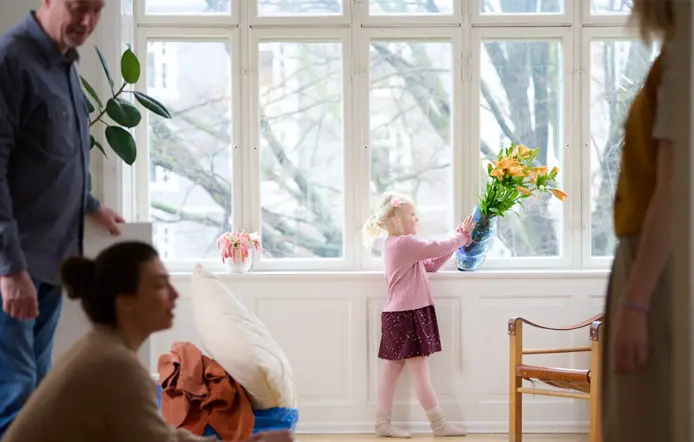
Seven municipalities expand partnership for children's wellbeing across Denmark
Seven Danish municipalities and SES Family expanded their strategic partnership in January 2025, strengthening digital support for the more than 300,000 children in Denmark who do not live with both parents.
-

Cases·
Two departments join forces to prevent divorce conflicts – Faaborg-Midtfyn
From 1 January 2024, two departments in Faaborg-Midtfyn Municipality have worked together to ensure preventive support reaches families as early as possible. Health visitors have been among the strongest adopters.
-
Cases·
"Like fire prevention" – Iceland's national rollout, told by a minister
When Iceland decided to roll out SES to all its municipalities, minister Ásmundur Einar Daðason was involved from the start. He describes a project that exceeded expectations and changed how a nation thinks about early intervention.
-
Cases·
300 families helped in under a year: Lund's strategy for rapid, wide-reaching impact
When Elisabeth Svanberg Eriksson joined Lund Municipality, she already knew SES worked – she had seen it at Helsingborg, the first Swedish municipality to introduce it. In under a year, 300 Lund residents had signed up.
-
Cases·
Giving separated parents a new language for co-operation – Viborg Municipality
Viborg Municipality has used SES tools since 2019 to offer divorced parents a combination of group courses and digital self-help. Children and young people adviser Gitte Bro explains how evidence-based tools have transformed the conversation.
-
Research·
The Efficacy of Digital Help for Divorced Danes: Randomized Controlled Trial of Cooperation After Divorce (CAD) and Sick Days
An RCT linking SES ONE to a concrete, real-world outcome: sick days. Programme users took an average of 5.82 fewer sick days in the year after divorce than those with no support (9.57 vs 15.39).
-
Research·
Mental Health Trajectories After Juridical Divorce: Does Personality Matter?
Examining the Big Five and post-divorce recovery: neuroticism was the strongest personality predictor of poorer mental health throughout the first year — yet SES ONE benefited people equally regardless of personality profile.
-
Research·
The Future of Divorce Support: Is "Digital" Enough in the Presence of Conflict?
A secondary RCT analysis testing whether SES ONE works for high-conflict divorces. It does: the programme produced equivalent benefit across low-, medium- and high-conflict cases — challenging the assumption that high conflict needs face-to-face support.
-
Research·
Examining Gender Effects in Postdivorce Adjustment Trajectories Over the First Year After Divorce in Denmark
In high-equality Denmark, men and women recovered from divorce in largely the same way: five of seven outcomes showed no gender difference in trajectory. Income explained far more than gender — what often looks like a gender effect is largely an income effect.
-
Research·
Temporal Associations Between Depression and Hostility in the Context of a Divorce Intervention
Does reducing depression after divorce reduce hostility, or vice versa? This analysis found neither drives the other — they improve in parallel, suggesting divorce support must address emotional and interpersonal challenges at the same time.
-
Research·
Does One Size Fit All? Socioeconomic Moderators of Post-divorce Health and the Effects of a Post-divorce Digital Intervention
Does SES ONE work as well for people with lower income and education? An RCT moderator analysis found the programme was equally effective across socioeconomic groups — and lower-educated participants saw even larger reductions in depression.
-
Research·
Divorce Is Stressful, But How Stressful? Perceived Stress Among Recently Divorced Danes
By surveying people on average five days after legal divorce, this study captured stress at its most acute: recently divorced Danes scored far above both the general and the divorced/separated population norms, with large effect sizes.
-
Research·
When Love Hurts: Mental and Physical Health Among Recently Divorced Danes
A comprehensive health profile of 1,856 Danes measured within days of legal divorce: about 73% had below-average mental-health functioning, and divorce conflict was the most consistent predictor of poor health for both men and women.
-
Research·
Cooperation after Divorce: A Randomized Controlled Trial of an Online Divorce Intervention on Hostility
The first longitudinal RCT of an online intervention targeting hostility after divorce. SES ONE significantly reduced hostility at every follow-up; after a year, problematic hostility dropped to ~8% of programme men vs ~24% with no support.
-
Research·
Randomized Controlled Trial Study of the Effects of an Online Divorce Platform on Anxiety, Depression, and Somatization
A large-scale RCT showing SES ONE substantially reduced depression, anxiety and physical (somatization) symptoms after divorce — bringing programme users close to general-population levels within 12 months, while the no-support group stayed elevated.
-
Research·
A Randomised Controlled Trial Study of the Effects of a Digital Divorce Platform on Mental and Physical Health
An RCT measuring health across eight domains (SF-36): SES ONE significantly improved mental and physical health after divorce. Impaired mental-health functioning fell to 30% in the programme group vs 60% with no support at 12 months.
-
Research·
Friend or Foe? Postdivorce Hostility Among Recently Divorced Individuals
Recently divorced Danes reported significantly higher general hostility than the population — about 20% in the clinical range vs 6–7% generally. Conflict and poor communication were the strongest predictors, equally for men and women.
-
Research·
Anxiety, Depression and Associated Factors Among Recently Divorced Individuals
Measured days after legal divorce against population norms: about 32% scored at the clinical anxiety threshold (vs 7% generally) and 43–49% at the clinical depression threshold (vs ~10%). Conflict with the ex-spouse was the strongest predictor.
-
Research·
"Divorce Burnout" Among Recently Divorced Individuals
This paper introduces and validates the Divorce Burnout Model — reduced vitality, reduced coping and disengagement. Burnout predicted sick days and work absence even after accounting for depression, showing it captures something distinct.
-
Research·
Cooperation after Divorce: An RCT Study of the Effects of a Digital Intervention Platform on Self-Perceived Stress
The first large-scale RCT of SES ONE (CAD): a free online programme significantly accelerated stress recovery after divorce. After 12 months the programme group had reached normal stress levels — the no-support group had not.
-
Research·
"I Had Not Seen Star Wars" and Other Motives for Divorce in Denmark
The first large-scale study of divorce motives measured within days of legal divorce: emotional and relational reasons dominated — lack of love/intimacy (47%) and communication problems (44%) — rather than behavioural ones like violence or addiction.
-
Research·
The Divorce Conflict Scale
The development and validation of the Divorce Conflict Scale (DCS) — a brief, 6-item, psychometrically robust measure of post-divorce conflict now used as the standard measure across all SES ONE research.
Nothing here yet.